

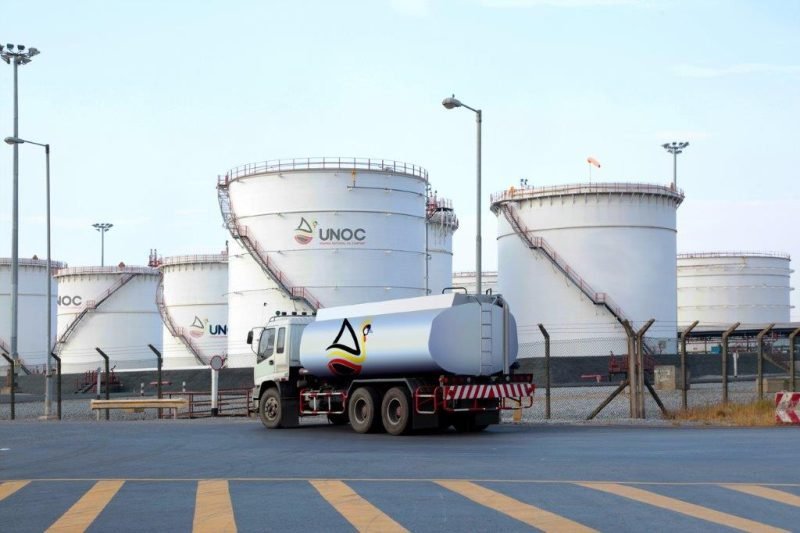
Kampala — Uganda has collected 545.5 billion shillings in revenue from fuel imports since the beginning of 2024, according to the latest report from the Uganda Revenue Authority (URA). The revenue comes from taxes, levies, and duties imposed on petroleum products imported into the country, reflecting the critical role fuel trade plays in the national economy.
URA officials explained that the revenue includes excise duties, value-added tax (VAT), and other levies applied to refined petroleum products, including petrol, diesel, and kerosene. These collections contribute significantly to government finances, supporting infrastructure projects, social services, and public sector operations.
According to tax analysts, the fuel sector remains one of Uganda’s most reliable revenue streams due to consistent domestic demand and limited local refining capacity, which necessitates substantial imports. “The Shs 545.5 billion figure demonstrates the government’s ability to mobilize revenue from critical sectors. It is also a reflection of the rising fuel demand in both urban and rural areas,” said John Kaguta, an economist specializing in energy policy.
However, the report also highlights challenges, including fluctuating global oil prices, smuggling, and under-declaration of import volumes, which can impact projected revenue. URA has intensified enforcement measures at border posts, including random inspections and verification of import documents, to minimize revenue leakages.
Energy sector stakeholders note that while fuel imports provide substantial government income, high taxes and levies can increase costs for consumers and businesses. Policymakers are therefore balancing revenue collection with affordability and energy security considerations.
The government has indicated plans to continue monitoring import trends and to implement policies that optimize revenue while encouraging investments in local fuel storage, distribution, and eventual refining capacity. The Shs 545.5 billion collected so far underscores the strategic importance of fuel imports in Uganda’s broader economic planning.
