

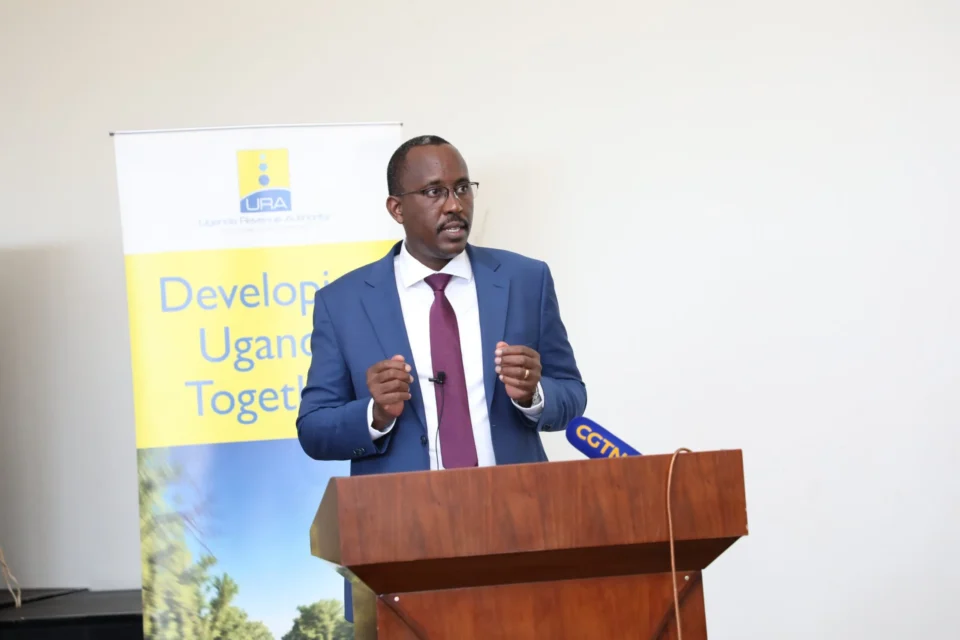
Kampala — The Government of Uganda has announced plans to reduce the rental income tax, a move aimed at easing the financial burden on property owners and stimulating growth in the real estate sector. Officials from the Ministry of Finance stated that the measure is part of a broader strategy to encourage investment in housing and improve compliance with tax regulations.
Under current law, rental income is taxed at a rate of 30 percent for individuals, a rate that many landlords have argued is high and discourages formalization of rental properties. The proposed reduction is expected to lower the effective tax rate, making it more attractive for property owners to declare their rental earnings and invest in additional housing projects.
Economists have welcomed the plan, noting that a reduction in rental income tax could stimulate the construction and housing market, increase affordable rental options, and formalize what is currently a largely informal sector. “Lowering taxes on rental income creates incentives for landlords to improve their properties and expand supply, which could help address the housing shortage in urban areas like Kampala,” said Dr. Harriet Nabbosa, a housing economist.
The Ministry of Finance emphasized that the tax cut will be implemented in a way that balances revenue needs with economic stimulation. The government has also indicated that it will complement the reduction with stronger enforcement measures to ensure compliance, particularly in urban centers where informal renting is prevalent.
Property owners and real estate investors are now awaiting the official legislation and guidelines, with many hoping that the reduction will provide immediate relief ahead of the next fiscal year. Analysts predict that, if well implemented, the measure could attract both domestic and foreign investors into Uganda’s housing sector, while supporting long-term economic growth.
